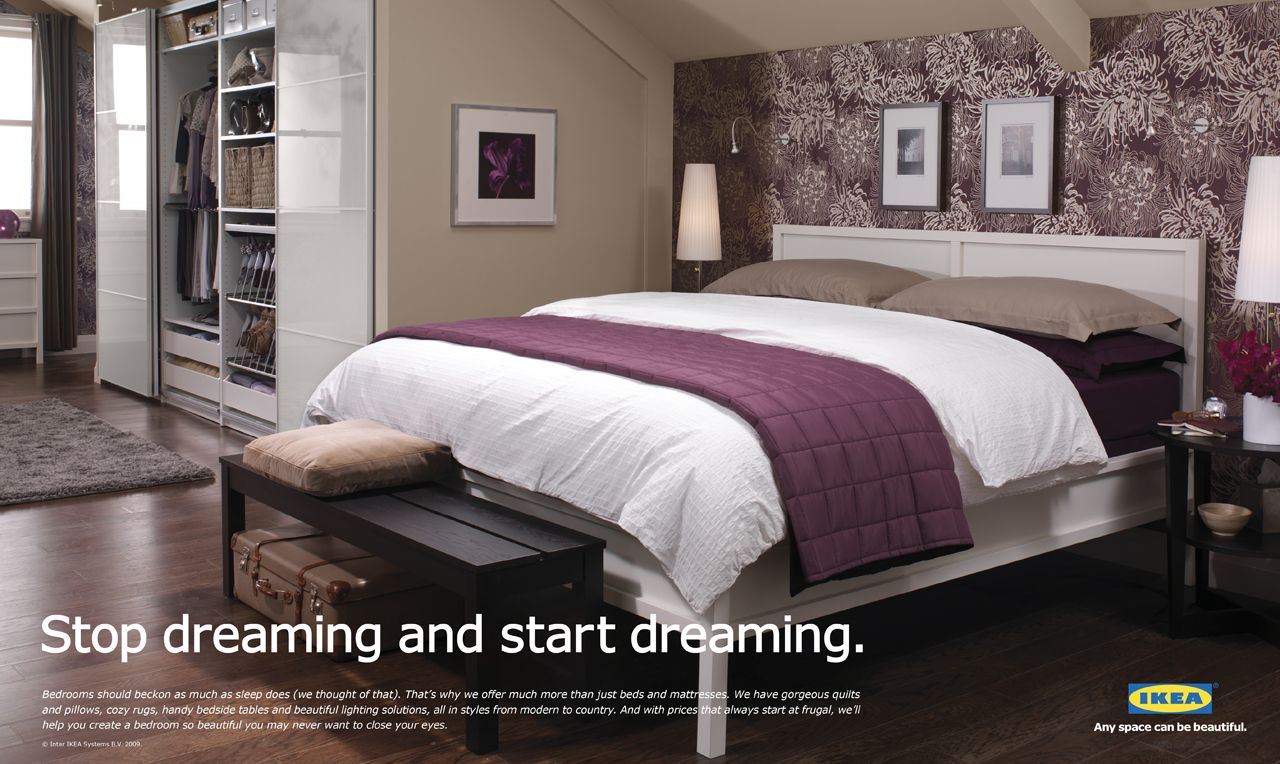

There’s nothing quite like the excitement of building your dream home. Every detail—from the layout to the finishes—feels full of possibility. But once the paint dries and the keys are in your hand, reality slowly sets in. And unfortunately, some mistakes don’t make themselves known until much later. Maybe it’s a cold room no one wants to use, or a creaky floor you swear wasn’t there before. Five years down the line, those small oversights can turn into big regrets. If you’re building or buying new construction, here are some of the most common long-term mistakes to watch for.
Skipping the Orientation of the Home
One of the most overlooked elements in new builds is the orientation of the house. Sure, the floor plan might look great on paper, especially when the outlines from www.news.de are involved. But how that layout interacts with natural light and seasonal temperatures can make or break your long-term comfort. For instance, placing your largest windows on the west side might seem like a good idea until you’re battling unbearable afternoon heat in the summer. Orientation is often ignored in favor of faster development timelines, but it’s one of those details that can dramatically affect your energy bills and overall livability down the road.
Soundproofing Between Rooms
At first, your home might seem peaceful and quiet. Then a few years pass, the family grows, and suddenly you realize you can hear everything—from your teenager’s video games to someone sneezing in the next room. Lack of adequate soundproofing is one of those issues that’s hard to test until your life gets louder. Thin walls, hollow doors, and poor insulation between floors or shared walls can quickly become a daily irritation, especially in open-plan homes or multi-level houses.
Overlooking Storage—Until You Have None

Storage might not be the most glamorous part of a floor plan, but it’s one of the most important. During the design phase, it’s easy to get caught up in aesthetics and forget about where the vacuum, winter coats, or holiday decorations will live. Five years in, you may find yourself cramming items into random corners, investing in bulky furniture to hide clutter, or regretting that you didn’t ask for that extra closet. Smart storage doesn’t just save space—it saves sanity.
Choosing Trendy Over Timeless
Design trends can be tempting, especially when you’re building new and want everything to feel modern. But what’s trendy today can feel outdated alarmingly fast. Think bold tile patterns, funky paint colors, or ultra-minimalist everything. While it’s fun to include a few trend-forward elements, going all-in can lead to regret later—especially when it comes time to sell or renovate. Five years might be all it takes for that “statement wall” to feel more like a design mistake.
Underestimating Outdoor Living

A lot of new homeowners treat the backyard as an afterthought, assuming they’ll “get to it later.” But five years can fly by, and suddenly you’re stuck with a patchy lawn and nowhere to sit outside. Outdoor living is a major value-add, both for resale and for your quality of life. Whether it’s a patio, deck, or just a well-placed shade tree, planning for outdoor space early on makes a huge difference in how much you actually enjoy your home long-term.
Building a home is full of decisions—some exciting, some tedious, all important. While it’s impossible to predict every future issue, taking the time to think five (or ten) years ahead can save you from some common regrets. Don’t just plan for how you’ll live in your home today—plan for how you’ll live in it down the road. A little foresight now can go a long way in turning your dream home into a lasting one.