
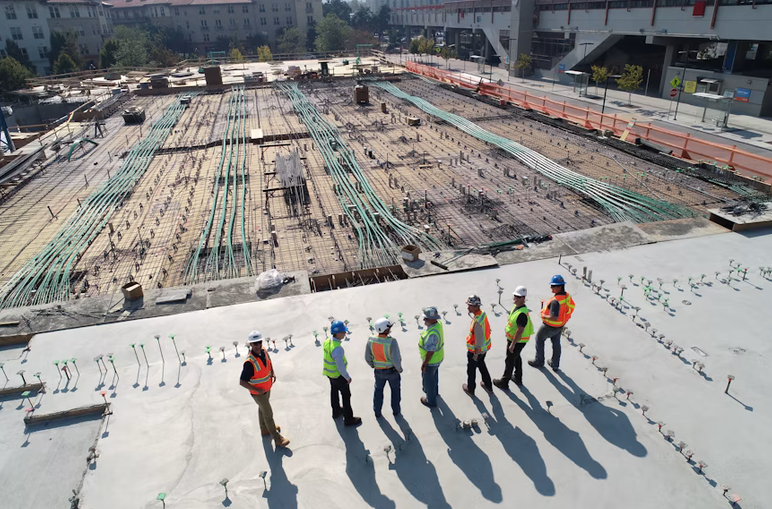
Construction projects operate in environments that cannot be fully controlled. While builders can manage schedules, labor, equipment, and materials, they cannot prevent rain, strong winds, extreme heat, or freezing temperatures. Weather has the potential to interrupt nearly every stage of construction, from site preparation to exterior finishing. Because of this, experienced project teams from daevita treat weather planning as an important part of project management rather than an afterthought. Monitoring forecasts, adjusting schedules, and preparing contingency plans help reduce unnecessary disruptions. Understanding how weather planning reduces construction project delays explains why successful projects rely on proactive decision-making instead of reacting only after unfavorable conditions arrive.
Monitoring Weather Conditions
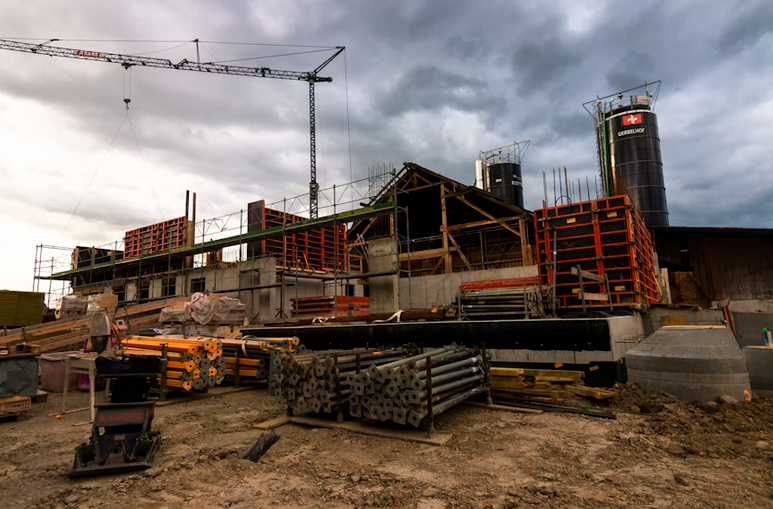
Weather forecasts provide valuable information that helps construction managers make informed scheduling decisions. Although forecasts cannot predict every change perfectly, they offer enough guidance to support daily planning. Project teams regularly review short-term and long-term forecasts before assigning major construction activities. If heavy rain is expected, excavation or concrete placement may be scheduled for earlier dates. High winds may delay crane operations until safer conditions return. Monitoring weather allows managers to organize work according to expected site conditions instead of making last-minute adjustments after problems have already developed.
Adjusting Construction Schedules
Every construction project includes activities that are more sensitive to weather than others. Exterior work often depends on dry conditions, while certain interior tasks can continue regardless of outdoor weather. Weather planning helps managers rearrange project schedules without stopping overall progress. During periods of unfavorable weather, crews may shift their attention to indoor installations, equipment maintenance, or preparation work that can be completed safely. Once conditions improve, outdoor construction resumes according to the updated schedule. Flexible scheduling allows projects to maintain productivity even when weather temporarily limits specific activities.
Protecting Materials and Equipment
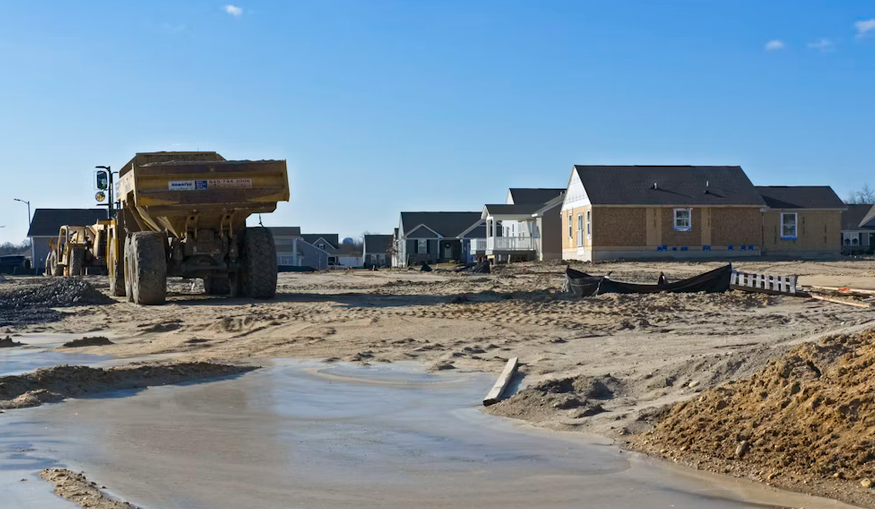
Construction materials often require protection from changing weather conditions. Moisture, excessive heat, or freezing temperatures may reduce material quality or create additional replacement costs. Weather planning includes organizing proper storage before severe conditions arrive. Building materials may be covered, relocated, or stored inside temporary structures when storms are expected. Equipment can also be positioned safely to prevent damage from strong winds or flooding. Protecting materials reduces waste while allowing work to continue more efficiently after weather conditions improve. Careful preparation helps avoid delays caused by damaged supplies or equipment.
Supporting Worker Safety
Construction safety becomes even more important during changing weather conditions. Rain can create slippery surfaces, strong winds affect lifting operations, and extreme temperatures increase physical strain on workers. Weather planning allows supervisors to evaluate risks before work begins each day. Certain activities may be postponed if conditions create unnecessary hazards. Workers can also receive appropriate protective equipment and adjusted work schedules during periods of excessive heat or cold. Prioritizing safety reduces accident risks while helping projects avoid delays caused by preventable workplace incidents. Safe working conditions support both productivity and long-term project success.
Maintaining Construction Quality
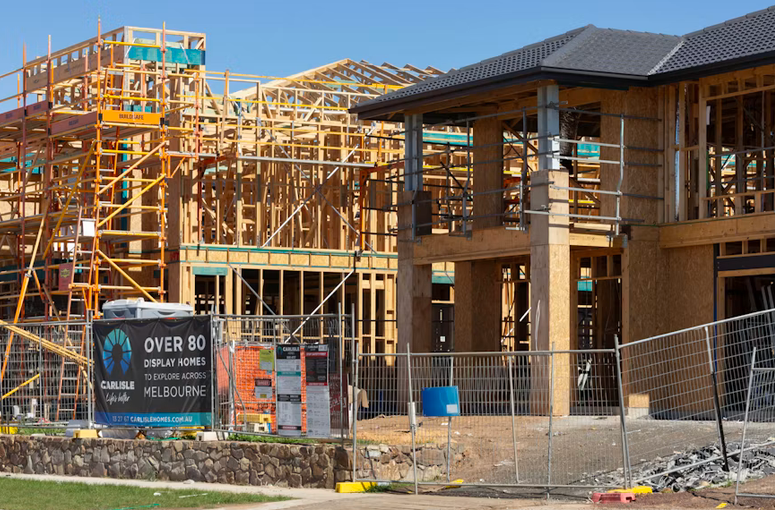
Many construction materials perform best within specific weather conditions. Concrete, paint, roofing materials, adhesives, and sealants all require suitable temperatures and moisture levels during installation. Weather planning helps contractors complete these tasks under conditions that support proper performance. Concrete may be poured when temperatures remain within recommended ranges, while roofing work can be scheduled during dry weather. Completing weather-sensitive activities at appropriate times improves installation quality and reduces the likelihood of future repairs. Better quality control supports long-term building performance while preventing costly rework that may extend project timelines.
Preparing for Unexpected Changes
Even careful forecasting cannot eliminate every weather-related challenge. Sudden storms or unexpected temperature changes may still affect construction activities. Project managers prepare contingency plans that allow work to continue with minimal disruption. Backup schedules, alternative work assignments, emergency drainage measures, and temporary protective coverings all contribute to stronger project resilience. Having these plans ready allows construction teams to respond quickly instead of losing valuable time deciding what to do after weather conditions change. Preparedness improves project stability throughout every season.
Weather planning reduces construction project delays by monitoring weather conditions, adjusting construction schedules, protecting materials and equipment, supporting worker safety, maintaining construction quality, and preparing for unexpected changes. Rather than allowing weather to control the project, organized planning helps construction teams respond efficiently while maintaining steady progress. Understanding how weather planning reduces construction project delays demonstrates that successful construction depends on preparation as much as execution. Careful scheduling, flexible management, and proactive safety measures help projects remain productive despite changing environmental conditions. By making weather planning part of everyday project management, construction teams improve efficiency while protecting workers, materials, and the long-term quality of the finished building.