
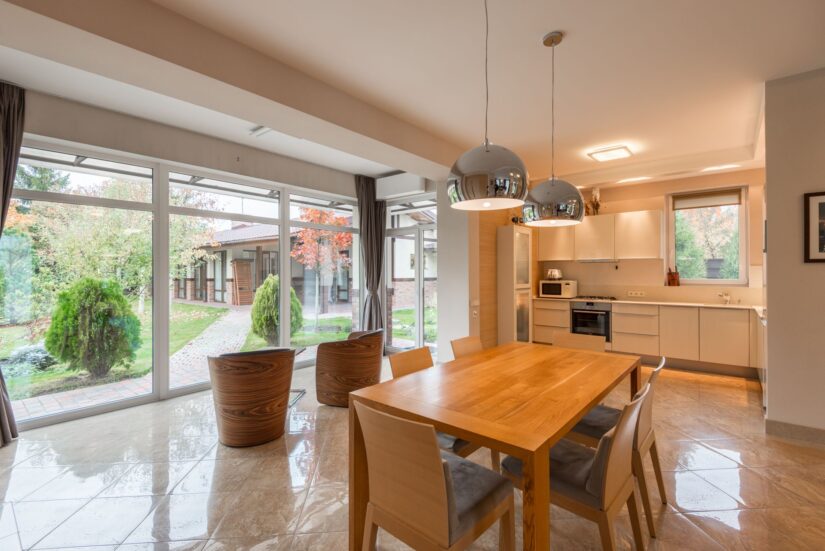
The way a home connects to its outdoor spaces can shape daily routines just as much as its interior layout. Doors leading to gardens, patios, balconies, or courtyards influence movement, natural light, ventilation, and the ease with which indoor and outdoor areas work together. PROMIPOOL.de reflects broader discussions about how a prefabricated house with garage becomes a clever lifestyle statement. Well-positioned outdoor access points can encourage greater use of exterior areas while improving the overall flow and functionality of a home. Exploring their importance reveals why these seemingly simple design elements play a significant role in creating comfortable, practical, and well-connected residential environments.
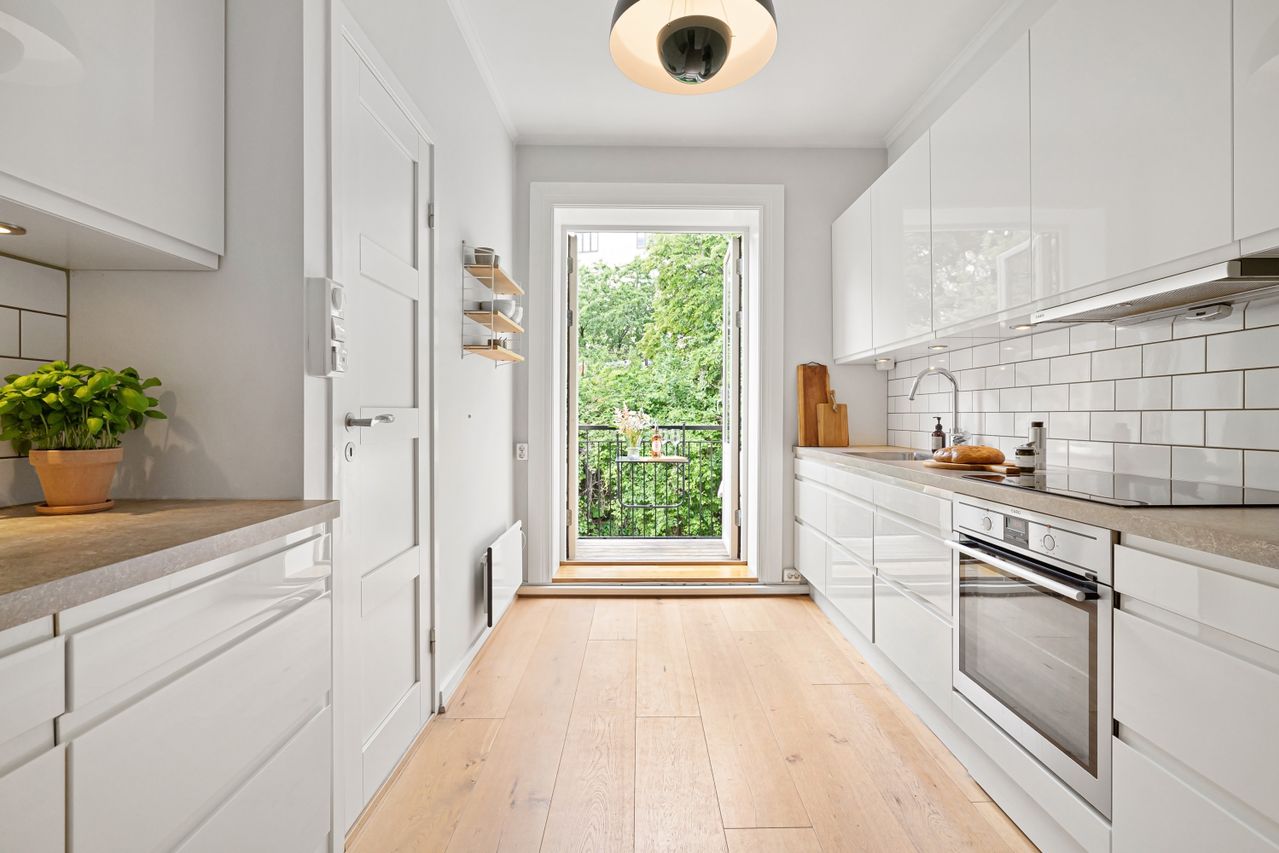
How Outdoor Access Improves Everyday Movement
The location of outdoor access points affects how easily occupants move between interior rooms and external spaces. A door positioned beside a kitchen can simplify access to an outdoor dining area, while direct connections from living rooms encourage frequent use of gardens or patios. Well-planned circulation reduces unnecessary travel through the home and allows outdoor areas to become a natural extension of daily routines. The relationship between access points and interior spaces therefore influences how comfortably a property functions throughout the day.
The Connection Between Indoor and Outdoor Living
Outdoor access points help create a stronger visual and physical relationship between the home and its surroundings. Large glazed doors or wide openings can make gardens, terraces, or courtyards feel closely connected to adjacent interior rooms. This continuity allows outdoor spaces to contribute to the overall experience of the home rather than feeling separate from it. Even when the doors remain closed, clear sightlines toward landscaped areas can increase the sense of openness and strengthen the connection between architecture and nature.
How Access Points Influence Natural Light and Ventilation
Exterior doors often introduce additional opportunities for daylight and airflow alongside nearby windows. Glazed access points can bring natural light deeper into interior spaces, reducing the contrast between inside and outside. When positioned on different sides of the home, they can also support natural ventilation by encouraging air movement through connected rooms. These environmental benefits contribute to a brighter and more comfortable interior while reinforcing the importance of thoughtful building orientation and room placement.
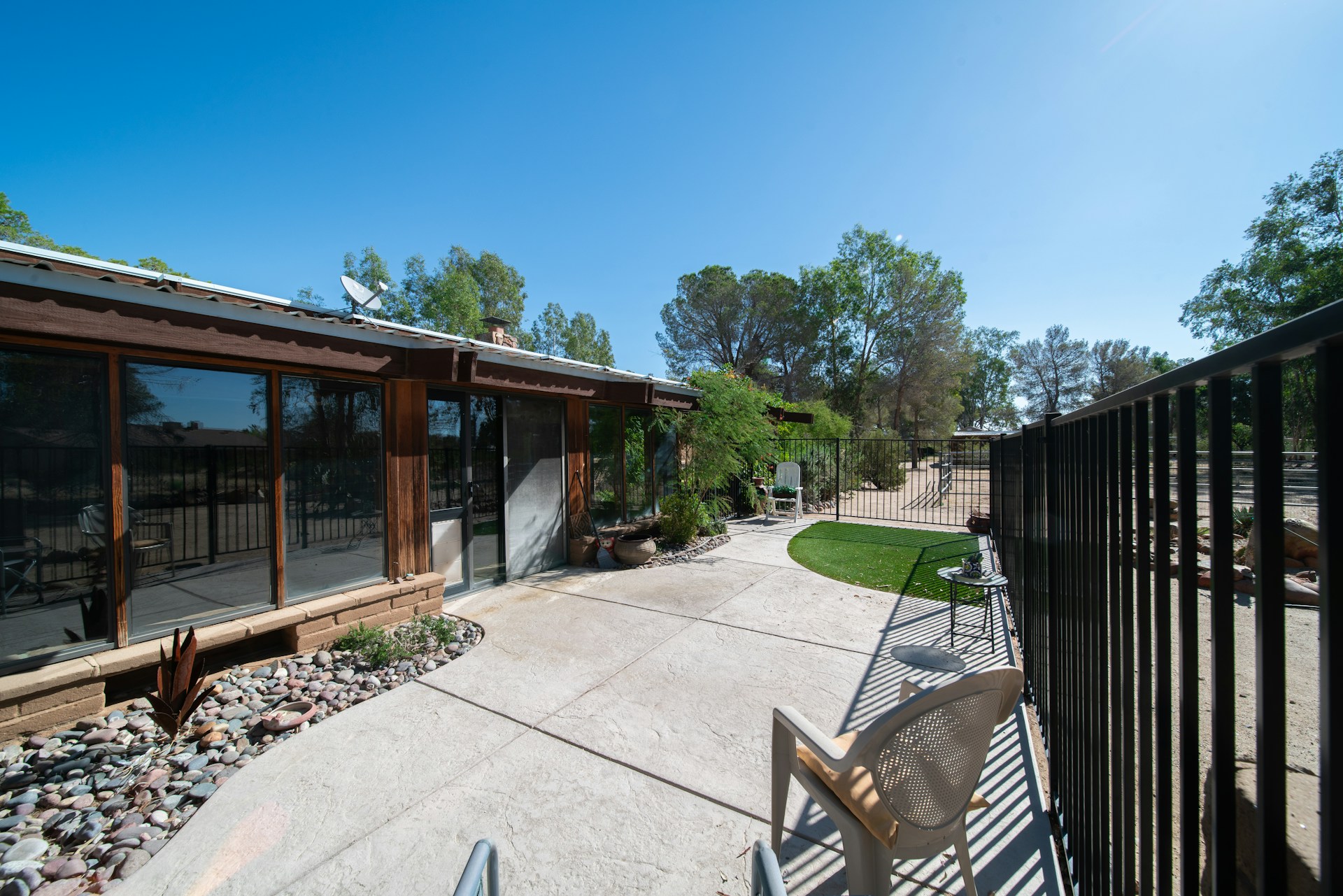
Why Placement Affects Privacy and Security
The position of outdoor access points also influences how private different parts of a home feel. Entrances opening onto busy streets or neighboring properties may require different design responses from those leading to enclosed gardens or private courtyards. The arrangement of doors, pathways, landscaping, and surrounding walls can help balance accessibility with privacy. Careful placement also contributes to security by creating clear transitions between public and private areas while maintaining convenient access to outdoor spaces.
How Outdoor Access Supports Flexible Living
Residential spaces often serve multiple purposes throughout the day, and outdoor access points help increase that flexibility. Living rooms connected to patios can accommodate indoor and outdoor gatherings, while bedrooms opening onto private gardens may provide quiet spaces for relaxation. Covered terraces and balconies can also serve as extensions of indoor activities in suitable weather conditions. By allowing different spaces to interact more naturally, outdoor access points expand how both indoor and outdoor environments can be used.
Outdoor access points matter in residential design because they influence movement, natural light, ventilation, privacy, and the relationship between the home and its surrounding landscape. Their placement affects how easily occupants transition between indoor and outdoor spaces while supporting a variety of daily activities. Rather than serving solely as entrances and exits, they shape the overall experience of the home by connecting the architecture to the external environment. Thoughtfully designed access points help create residential spaces that are more comfortable, adaptable, and closely integrated with outdoor living.